Research
Build multicenter studies, registries, biobanks and investigator collaborations that make rare-disease research possible.
Explore research →
The United States Thrombotic Microangiopathy Alliance brings patients, families, clinicians and researchers into one national community working to improve the future of people affected by TMA.
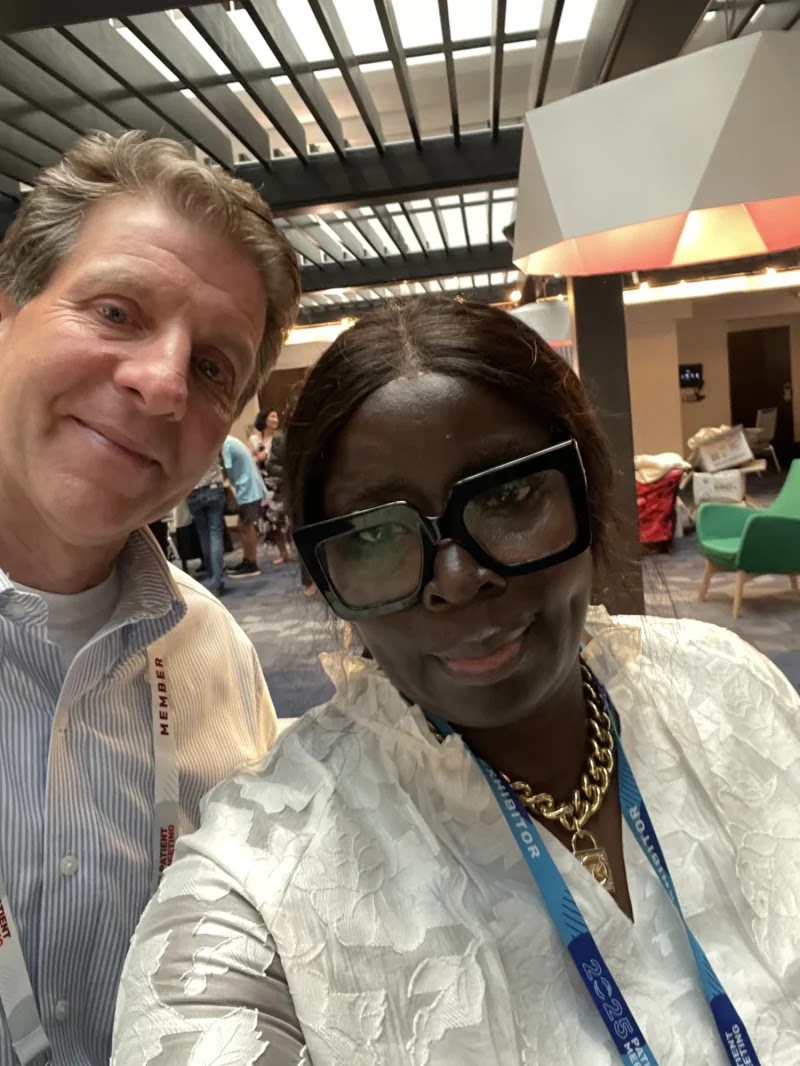
To promote research that gives hope and provides a better future for everyone who is directly or indirectly affected by TMA conditions.
The USTMA Consortium was formed in 2014 by Drs. Marshall Mazepa and Spero Cataland as a grassroots effort to organize collaborative research in thrombotic microangiopathies.
USTMA has since grown beyond a research consortium into an alliance connecting scientific collaboration with patient advocacy, education, support programs, rapid diagnostic resources and a national TMA community.
Build multicenter studies, registries, biobanks and investigator collaborations that make rare-disease research possible.
Explore research →Bring together patients, caregivers, clinicians, investigators, centers and partner organizations across the TMA community.
Explore the network →Turn complex TMA science and clinical information into practical resources for patients, families and healthcare professionals.
Patient resources →Elevate patient priorities, improve awareness and help ensure that research and care reflect the needs of the people affected.
Get involved →The Alliance centers patients, families, education, advocacy, support and community.
The Consortium connects investigators, referral centers, research infrastructure and multicenter scientific collaboration.
The value is in the connection between the two: research questions can be informed by lived experience, and discoveries can move back into education, care and future studies.
P200 brings longitudinal clinical information together across the USTMA network so investigators can ask better questions and build better studies.
USTMA creates places where people can ask questions, share experience, find experts, participate in research and build relationships that last beyond a single study or meeting.
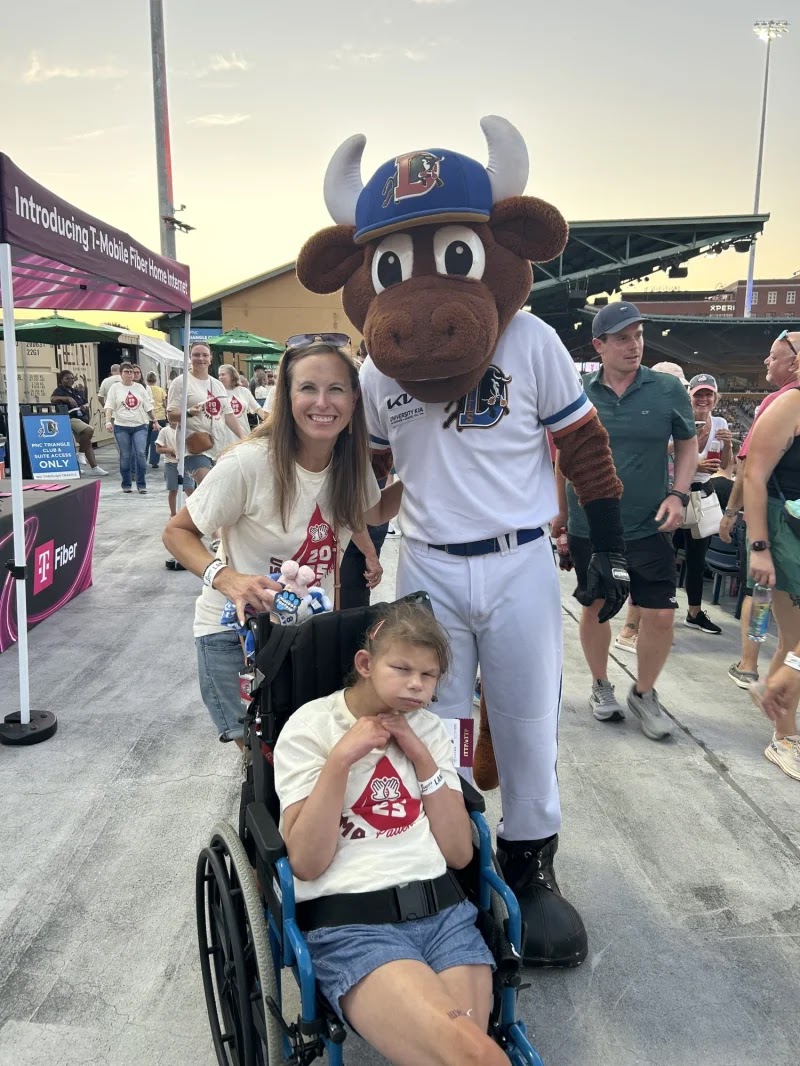
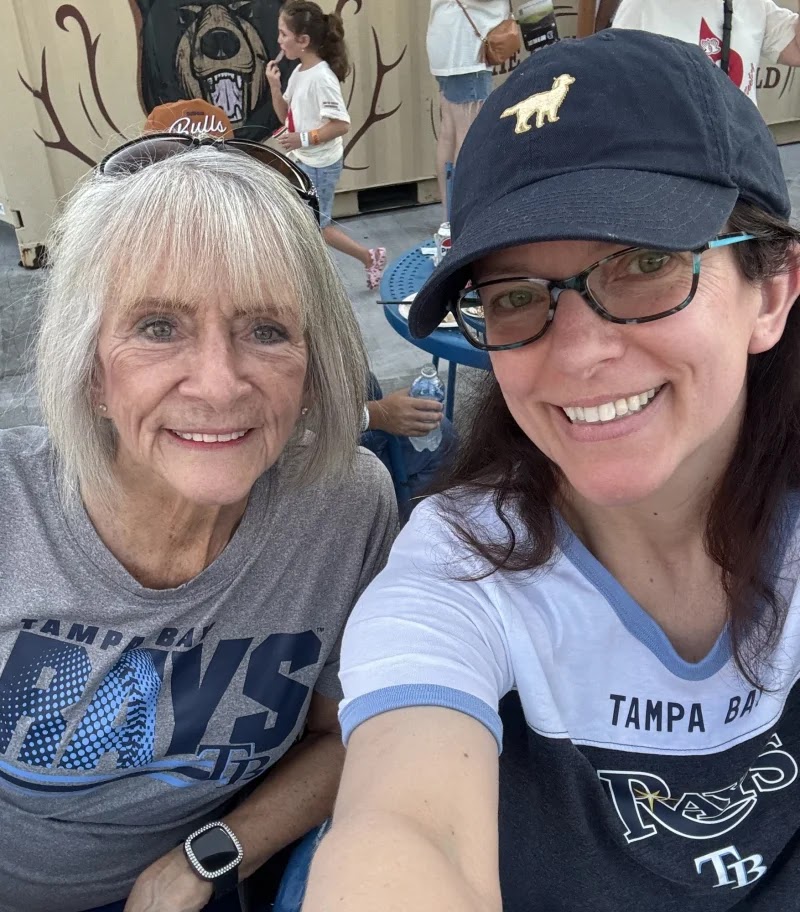
Whether you are living with TMA, caring for someone, treating patients, conducting research or supporting the mission, there is a place to participate.